How to Choose a WordPress Theme: 7-Point Checklist (2026)
By Shehzad Hussain · Last updated: November 2026
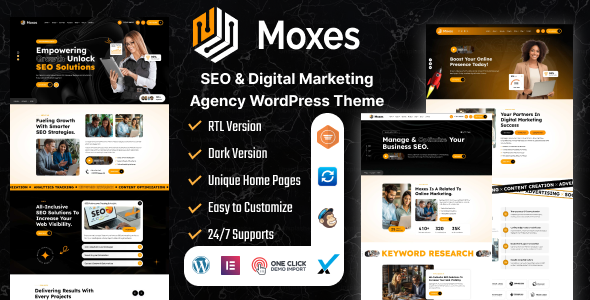
To choose a WordPress theme, check these seven things: page speed, active updates from the developer, compatibility with your plugins, genuine user reviews, a design close to your final vision, responsive mobile layout, and clean SEO-ready code. Get these right and the rest is refinement.
What is the most important factor when choosing a WordPress theme?
Speed and active maintenance matter more than anything else. A fast theme from an actively maintained developer will outperform a beautiful theme that is slow and abandoned — every time. An abandoned theme becomes a security risk within a year, while a slow theme quietly loses visitors and Google rankings from day one.
How do I test whether a WordPress theme is fast?
Run the theme’s live demo through Google PageSpeed Insights before you buy. If the demo scores poorly, your site will score poorly too — demos are usually the best-case scenario. Aim for 90+ on mobile. Also check how the demo feels on a mid-range phone over a normal mobile connection, not just on your office Wi-Fi.
How can I tell if a theme developer is still active?
Check the changelog. A theme updated within the last 3 months signals an active developer who keeps up with WordPress core releases. A 6-month gap is a warning sign; a year with no updates means you should walk away. Active developers also answer support tickets quickly — check recent reviews for mentions of support quality.
Will the theme work with the plugins I need?
Confirm compatibility with your must-have plugins before purchasing — typically Elementor or another page builder, WooCommerce if you sell anything, Yoast SEO or Rank Math, and your contact form plugin. Reputable theme sellers test against the major plugins and say so on the product page. If compatibility isn’t mentioned anywhere, ask support before you buy.
How do I spot genuine theme reviews?
Look for detailed reviews that mention support quality and specific features, not just star counts. A 4.7 rating across thousands of sales means far more than a perfect 5.0 from twelve buyers. Be suspicious of themes where every review is vague five-star praise posted within the same week.
Should the theme already look like my finished site?
Yes — choose a theme already close to what you want. Heavily redesigning a mismatched theme costs more time than starting with the right niche theme. Demo content exists to show you what’s possible with that theme’s structure; if you find yourself planning to change the layout, header, and every section, you picked the wrong theme.
How do I check a theme’s mobile responsiveness?
Over 60% of web traffic is mobile, so open the demo on your actual phone — not just your browser’s device toolbar. Test the navigation menu, forms, buttons, and page layouts. Everything must work flawlessly with touch. Pay special attention to tables, sliders, and mega menus, which are the most common mobile failure points.
How do I know if a theme is SEO friendly?
Check for clean, semantic HTML with a proper heading hierarchy (one H1 per page, logical H2/H3 structure), fast load times, mobile responsiveness, and compatibility with SEO plugins like Yoast SEO. Avoid themes stuffed with shortcodes that lock your content into the theme — if deactivating the theme breaks your pages, your content is held hostage.
Should I use a free or premium WordPress theme?
Start free if you’re testing an idea — WordPress.org themes pass a quality review. Upgrade to premium when you need a specific niche design, dedicated support, or advanced features like premium sliders, booking systems, or advanced portfolio layouts. Premium is almost always cheaper than the hours you’d spend forcing a free theme into something it was never designed to be.
Quick answers
What is the single biggest theme mistake beginners make?
Choosing by screenshots alone. Always test the demo’s speed, check the update history, and read the support reviews before judging the design.
Can I change my WordPress theme later?
Yes, but a messy theme with shortcode-locked content makes switching painful. Choosing a clean, standards-based theme now keeps your future options open.
What this post covers, at a glance
The table below pulls together the main points of this guide to WordPress theme so you can scan them before reading the full article.
| Topic in this post | The post’s key point |
|---|---|
| What is the most important factor when choosing a WordPress theme? | Speed and active maintenance matter more than anything else. |
| How do I test whether a WordPress theme is fast? | Run the theme’s live demo through Google PageSpeed Insights before you buy. |
| How can I tell if a theme developer is still active? | A theme updated within the last 3 months signals an active developer who keeps up with WordPress core releases. |
| Will the theme work with the plugins I need? | Confirm compatibility with your must-have plugins before purchasing — typically Elementor or another page builder, WooCommerce if you sell anything, Yoast SEO or Rank Math, and your contact form plugin. |
| How do I spot genuine theme reviews? | Look for detailed reviews that mention support quality and specific features, not just star counts. |
| Should the theme already look like my finished site? | Yes — choose a theme already close to what you want. Heavily redesigning a mismatched theme costs more time than starting with the right niche theme. |
Frequently asked questions
How much should I budget for a WordPress theme?
The post does not quote a price for WordPress theme, so treat the theme as one line in a small budget, not the whole budget. As a guide, WordPress themes on Expert Themes are listed at $20 and HTML templates at $10, with hosting and a domain on top. Check the product page for the current price before you decide, and count any paid plugins you will need.
Will a WordPress theme work properly on a phone?
Over 60% of web traffic is mobile, so open the demo on your actual phone — not just your browser’s device toolbar. The post treats mobile as a first check rather than an afterthought, and that is the right order: most visitors in this niche arrive on a phone, so open the demo on your own phone and test the menu, the forms, and the main call to action before you buy.
How should I test a WordPress theme before buying it?
Run the live demo through Google PageSpeed Insights and open it on a real phone, not just a desktop browser — the post makes this exact point about demos being the best-case scenario. Load the pages your visitors will actually use, click through the forms, and check that the layout holds with your own images and text. If the demo is slow or awkward, your site will be worse, not better.
Does a WordPress theme work with Elementor?
The post discusses Elementor as part of choosing in this niche, and most modern WordPress theme are built to work with it or with the block editor. Before you buy, confirm on the product page that the theme supports the builder you actually use — a theme that needs a builder you do not have is a hidden extra cost.
What support and updates come with a premium WordPress theme?
The post raises support and updates as a buying check, and for a reason: a theme that stops being updated becomes a security risk within a year. Premium WordPress theme on Expert Themes include lifetime product updates, and the product page states the support terms — read them before buying, and check the changelog date to confirm the theme is still actively maintained.
This is general guidance for choosing in this niche, not a guarantee: a theme that scores well on a demo can still slow down once your own images, plugins, and tracking are added. Test any WordPress theme with your real content before you commit.
Sources
- WordPress.org — Theme Handbook: theme requirements and review guidelines (accessed November 2026)
- ThemeForest — Expert Themes seller page, member since July 2016 (accessed November 2026)