Fast WooCommerce themes for conversion-focused shops

By Shehzad Hussain · Last updated: November 2026
Speed is the most measurable advantage a WooCommerce shop can have, and the most commonly faked. Theme demos love to quote loading scores achieved on empty demo stores with a handful of products and no payment plugins. A real shop, with real product images, a cart, a checkout and a payment gateway, behaves very differently. The theme you choose should be judged on how it performs under real shop conditions, not on a demo score.
What actually slows a WooCommerce shop down
Most WooCommerce slowness comes from a short list of causes: uncompressed product images, too many plugins loading on every page, heavy page-builder output on shop pages, and a theme that loads every WooCommerce script on every page whether it is needed or not. A fast theme is one that avoids these by default: it serves product images at sensible sizes, keeps shop templates lean, and does not drag a dozen scripts onto pages that do not need them.
Before blaming a theme, check the obvious culprits. Product images should be compressed and sized to the layout, not uploaded at camera resolution. Plugins should be audited: anything that has not earned its place by improving sales or operations should go. But after that housekeeping, the theme remains the biggest single factor in shop speed, because it controls the markup of every product, category and checkout page.
Checkout friction costs more than homepage speed
Shop owners obsess over homepage loading times and ignore the checkout, where the money is actually lost. Every extra field, every forced account creation, every unexpected shipping surprise is a reason to abandon a cart. A conversion-focused theme should support a clean checkout: guest checkout available, address fields kept to what shipping genuinely needs, payment options shown clearly, and order confirmation that reassures rather than confuses.
Mobile checkout deserves special attention. Most shoppers now buy on phones, often on patchy connections, and a checkout that works beautifully on desktop but breaks on a small screen is a checkout that loses the majority of its traffic. Test the theme’s checkout on a real phone, with a real product and a real payment method, before committing. Demo checkouts that cannot be tested are a warning sign.
Product pages that answer buying questions
A product page has to answer, in order: what is this, why is it the right one, what does it cost all-in, and how do I buy it. Themes that bury the price under tabs, hide delivery information, or push the buy button below a wall of upsells all hurt conversion. Look for product layouts with a clear price, a visible buy button, delivery and returns information near the decision point, and reviews from real buyers.
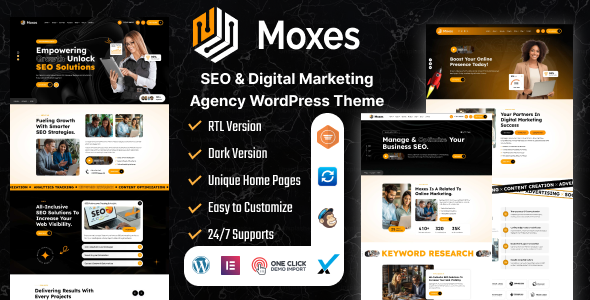
Related products and upsells have a place, but they should appear after the buying decision, not instead of it. A shop that interrupts every purchase with cross-sells trains visitors to hesitate, and hesitation is the enemy of conversion. The WordPress themes in the catalogue that suit shop building, including Sorto for its flexible page structures and Moxes for its promotion-focused layouts, give you the building blocks; the discipline of keeping product pages clean is yours to maintain.
One honest note about technology
WooCommerce runs on WordPress. That means a WooCommerce theme must be a WordPress theme. HTML templates and React templates cannot run a WooCommerce shop, however fast they look in a demo, because there is no WordPress and no WooCommerce underneath them. If a seller presents a static template as a shop solution, it is not a shop solution. Judge WooCommerce themes only against other WordPress themes, and test them with WooCommerce actually installed.
Measure conversion, not just speed scores
After launch, track the numbers that matter: visitors to product pages, add-to-cart rate, checkout completion rate, and revenue per visitor. Speed improvements should show up in those numbers. If a theme change improves a loading score but not completion rate, the bottleneck is elsewhere — pricing, shipping, trust, or product presentation. Fast themes matter enormously, but they matter because they remove friction from buying, and the checkout completion rate is where that shows up.
Reducing returns and support load
Fast pages bring shoppers in, but unclear product information sends products back. Returns and support queries are often caused by the product page, not the product: missing measurements, unclear materials, no sense of scale, delivery times buried in a policy page. A conversion-focused shop should treat the product page as a support tool. Size guides, compatibility notes, care instructions and delivery estimates placed near the buy button prevent the questions that otherwise become emails, calls and returns.
Photography carries the same responsibility. Show the product from several angles, in use, and at true scale where possible. A single studio shot may look clean, but it leaves buyers guessing, and guessing buyers either do not buy or buy and return. The cost of good product photography and complete product information is small compared with the cost of handling returns, and it pays back on every order. Speed gets visitors to the product page. Clarity gets them to keep what they bought.
The themes in this post, compared
Every theme below is named in the article itself. The post does not quote prices, so check the product page for the current price.
| Theme | Format | What the post says about it | Price noted in the post |
|---|---|---|---|
| Moxes | WordPress theme | Moxes for its promotion-focused layouts, give you the building blocks; the discipline of keeping product pages clean is yours to maintain. | See the product page |
| React | WordPress theme | React templates cannot run a WooCommerce shop, however fast they look in a demo, because there is no WordPress and no WooCommerce underneath them. | See the product page |
| Sorto | WordPress theme | The WordPress themes in the catalogue that suit shop building, including Sorto for its flexible page structures and Moxes for its promotion-focused layouts, give you the building blocks; the discipline of keeping product pages clean is yours to maintain. | See the product page |
Frequently asked questions
Why does the post emphasise what actually slows a WooCommerce shop down for WooCommerce themes for conversion focused shops?
Most WooCommerce slowness comes from a short list of causes: uncompressed product images, too many plugins loading on every page, heavy page-builder output on shop pages, and a theme that loads every WooCommerce script on every page whether it is needed or not. In practice, that means judging a WordPress theme on this point before you buy, not after the site is built — open the live demo, find the section the post describes, and check it with your own content in place.
What makes Moxes a good fit for a WooCommerce theme for conversion focused shops?
Moxes for its promotion-focused layouts, give you the building blocks; the discipline of keeping product pages clean is yours to maintain. That is the post’s own judgement, and it is worth verifying against the live demo: check the Moxes demo with your own images and copy, because a theme that looks right with stock content can feel different with yours.
What makes React a good fit for a WooCommerce theme for conversion focused shops?
React templates cannot run a WooCommerce shop, however fast they look in a demo, because there is no WordPress and no WooCommerce underneath them. That is the post’s own judgement, and it is worth verifying against the live demo: check the React demo with your own images and copy, because a theme that looks right with stock content can feel different with yours.
How much should I budget for a WooCommerce theme for conversion focused shops?
The post does not quote a price for WooCommerce themes for conversion focused shops, so treat the theme as one line in a small budget, not the whole budget. As a guide, WordPress themes on Expert Themes are listed at $20 and HTML templates at $10, with hosting and a domain on top. Check the product page for the current price before you decide, and count any paid plugins you will need.
Will a WooCommerce theme for conversion focused shops work properly on a phone?
The post treats mobile as a first check rather than an afterthought, and that is the right order: most visitors in this niche arrive on a phone, so open the demo on your own phone and test the menu, the forms, and the main call to action before you buy.
Prices and theme availability change — check the product page before buying. The themes named here were current when the post was written, so test the live demo against your own content before choosing, and confirm the theme is still actively updated.
Sources
- WordPress.org — Theme Handbook: theme requirements and review guidelines (accessed November 2026)
- Expert Themes — Moxes product page (accessed November 2026)
- Expert Themes — React product page (accessed November 2026)
- Google — PageSpeed Insights (accessed November 2026)