Directory and listing themes with booking features

By Shehzad Hussain · Last updated: November 2026
Directory sites fail for a boring reason: they are built as design projects when they are actually data projects. The homepage looks fine, the listing pages look fine, and then real listings arrive and everything falls apart — search returns the wrong results, booking forms do not match the listing type, and the site owner discovers the theme never had a coherent model for the data underneath. A directory theme should be judged on its data model first and its appearance second.
Define the listing before choosing the theme
Every directory revolves around a listing with fields: name, location, category, price or price range, availability, contact details, images, reviews. Before comparing themes, write down your fields. A restaurant directory needs menus and opening hours. A trades directory needs service areas and qualifications. A property directory needs beds, baths and floor area. If the theme cannot hold your fields without awkward workarounds, it is the wrong theme no matter how good the demo looks.
Search and filtering follow from the same definition. Visitors should be able to narrow by the fields that matter — location, category, price, availability — and get sensible results quickly. Test the demo with realistic data, not the handful of polished listings it ships with. A search that works with ten listings and collapses with a thousand is a common directory failure, and it only shows up when you test at scale.
Booking changes everything about the flow
A directory without booking is a phone book. A directory with booking is a transaction platform, and the theme has to support the whole flow: availability calendars, time slots, pricing rules, confirmation messages, cancellation handling, and notifications to both sides. If the theme only offers a contact form and calls it booking, you will be rebuilding the core feature within months.
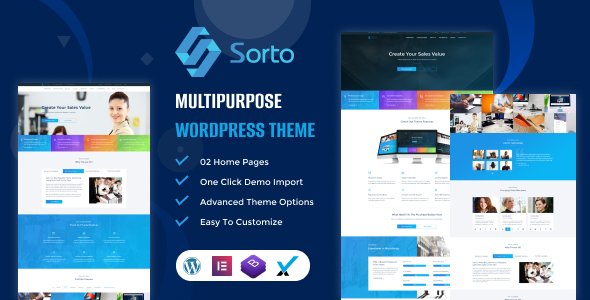
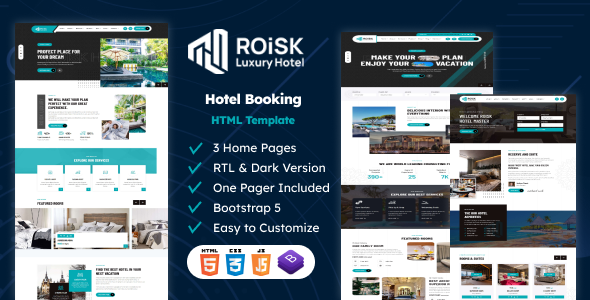
Booking also changes trust requirements. Visitors booking through your site need to know what happens if a booking fails, how payment works, and who to contact. Listing owners need a clear way to manage their availability. A theme that handles one side well and ignores the other will generate support work that eats the business. The booking-focused layouts in the catalogue, such as Roisk for hotel-style booking flows, show how availability and reservation interfaces should behave, and a multipurpose WordPress theme like Sorto can carry the directory and content pages around a dedicated booking setup.
Monetisation should be designed in, not bolted on
Directories usually make money from featured listings, subscriptions, commissions or advertising. Each model needs theme support: featured placement in search results, paywalled listing management, commission tracking, or ad slots that do not wreck the search experience. Decide the model before choosing the theme, because retrofitting payments onto a theme that never expected them is painful and often requires a rebuild.
Free listings deserve a strategy too. A directory with no listings has no search value, so most successful directories seed free basic listings and charge for prominence. The theme should make that distinction clean: free listings visible but plain, paid listings enhanced but clearly labelled, so visitors trust the ordering.
Reviews and moderation are the product
A directory lives or dies on review quality. Fake or unmoderated reviews destroy trust faster than any design flaw. The theme should support review submission with verification, owner responses, and moderation tools that let you remove abuse without deleting legitimate criticism. Owner responses matter as much as the reviews themselves: a listing owner who answers complaints publicly signals a business worth booking.
Spam is the other half of moderation. Open listing submission without checks will fill a directory with junk within weeks. Require accounts, verify submissions, and give yourself tools to bulk-manage listings. A theme that makes moderation easy is worth more than one with a prettier search page.
Launch with depth, not breadth
The classic directory mistake is launching in twenty categories with three listings each. Launch in one city or one niche with enough listings to make search useful, prove the booking flow works, and expand from there. A directory with depth in one area attracts listings in the next, because listing owners join directories that already send them customers. The theme cannot create that flywheel, but a theme that makes a deep, well-organised niche directory easy to run gives it the best possible chance.
Getting the first listings
Every directory faces the same cold-start problem: visitors will not use an empty directory, and businesses will not list in a directory with no visitors. Breaking that circle requires seeding supply before chasing demand. Start by listing businesses yourself, with accurate public information, and invite owners to claim and enrich their listings. Claiming feels like gaining something rather than doing a favour, and claimed listings are more complete, more accurate, and more likely to stay current.
Focus the seeding on one area or niche where you can reach genuine depth, and resist the urge to spread thinly across many categories. A directory with fifty complete listings in one city is useful. A directory with five listings in ten cities is not useful anywhere. Once the seeded area starts generating enquiries for its businesses, owners in neighbouring areas will ask to be included, and the directory grows on its own momentum. The theme supports this by making listing creation and claiming straightforward, but the seeding strategy itself is the work that makes a directory real.
The themes in this post, compared
Every theme below is named in the article itself. The post does not quote prices, so check the product page for the current price.
| Theme | Format | What the post says about it | Price noted in the post |
|---|---|---|---|
| Roisk | HTML template | Roisk for hotel-style booking flows, show how availability and reservation interfaces should behave, and a multipurpose WordPress theme like. | See the product page |
| Sorto | WordPress theme | Sorto can carry the directory and content pages around a dedicated booking setup. | See the product page |
Frequently asked questions
Why does the post emphasise define the listing before choosing the theme for directory and listing themes with booking features?
Every directory revolves around a listing with fields: name, location, category, price or price range, availability, contact details, images, reviews. In practice, that means judging a WordPress theme on this point before you buy, not after the site is built — open the live demo, find the section the post describes, and check it with your own content in place.
What makes Roisk a good fit for a directory and listing theme with booking features?
Roisk for hotel-style booking flows, show how availability and reservation interfaces should behave, and a multipurpose WordPress theme like. That is the post’s own judgement, and it is worth verifying against the live demo: check the Roisk demo with your own images and copy, because a theme that looks right with stock content can feel different with yours.
What makes Sorto a good fit for a directory and listing theme with booking features?
Sorto can carry the directory and content pages around a dedicated booking setup. That is the post’s own judgement, and it is worth verifying against the live demo: check the Sorto demo with your own images and copy, because a theme that looks right with stock content can feel different with yours.
How much should I budget for a directory and listing theme with booking features?
The post does not quote a price for directory and listing themes with booking features, so treat the theme as one line in a small budget, not the whole budget. As a guide, WordPress themes on Expert Themes are listed at $20 and HTML templates at $10, with hosting and a domain on top. Check the product page for the current price before you decide, and count any paid plugins you will need.
Will a directory and listing theme with booking features work properly on a phone?
The post treats mobile as a first check rather than an afterthought, and that is the right order: most visitors in this niche arrive on a phone, so open the demo on your own phone and test the menu, the forms, and the main call to action before you buy.
Prices and theme availability change — check the product page before buying. The themes named here were current when the post was written, so test the live demo against your own content before choosing, and confirm the theme is still actively updated.
Sources
- WordPress.org — Theme Handbook: theme requirements and review guidelines (accessed November 2026)
- Expert Themes — Roisk product page (accessed November 2026)
- Expert Themes — Sorto product page (accessed November 2026)
- ThemeForest — Expert Themes seller page, member since July 2016 (accessed November 2026)